






Product description:
Microfiber braided string
The pricing of our product is subject to factors such as specifications, cost of materials, and currency exchange rates. For the most up-to-date pricing information, kindly provide your contact details, and we will promptly update you. Rest assured that our prices remain competitive without compromising on quality.

PSB Check Valve
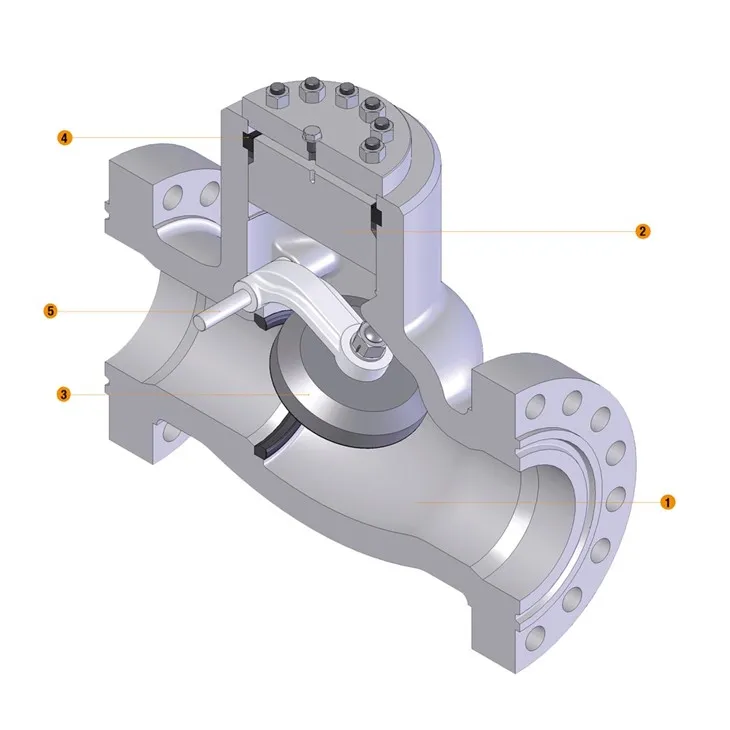
Check valves are essential flow control devices that allow fluid to move in one direction while preventing it from flowing back in the opposite direction. High Pressure with PSC Pressure Seat Swing Check Valve is just one example of the wide range of styles available to suit different applications. Compared to other types of check valves, swing valves employ a less controlled opening and closing mechanism, which makes them more suitable for less sensitive applications. Whether you need to regulate fluid flow in a complex industrial system or a simple household appliance, choosing the right check valve can make all the difference in ensuring smooth and reliable operation.
Applicable Standard
Our design standard includes BS 1868, ASME B16.34, API 6D, and DIN2533. We adhere to these standards to ensure the highest quality products and services for our customers. Our team takes great pride in their attention to detail and commitment to exceeding industry standards. We believe that following these guidelines is essential in providing reliable and safe equipment to our customers. Our dedication to these standards is reflected in every aspect of our work, from design to production and delivery.
Speaker 1: When it comes to valve face-to-face dimensions, there are several standards that are commonly used – ASME B16.10, API 6D, EN 558, and DIN 3202.
Speaker 2: Yes, each of these standards specifies the dimensions and tolerances that should be used for valve face-to-face measurements. While they are all slightly different, they share the same goal of ensuring consistent and accurate valve sizing.
Speaker 1: That's right. The ASME B16.10 standard is widely used in North America and specifies the face-to-face dimensions for various types of valves, including gate, globe, and check valves. Meanwhile, the API 6D standard is frequently used in the oil and gas industry and provides specifications for pipeline valves.
Speaker 2: EN 558 is a European standard that provides more general guidelines for valve face-to-face dimensions, while the DIN 3202 standard is used in Germany and other European countries to define the dimensions for a wider range of valves.
Speaker 1: Regardless of which standard is used, it's important to take accurate measurements to ensure that valves are installed correctly and operate as intended. Inaccurate measurements can result in leaks, reduced performance, and even safety hazards.
Speaker 2: That's why it's important to follow the appropriate standard and take accurate measurements during installation and maintenance. By doing so, we can ensure that our valves operate reliably and safely over their lifespan.
ASME B16.5, ASME B16.47, DIN2501, DIN2533 are all standards used for the end flanges of various industrial applications. These standards ensure that the flanges are designed in a way that conforms to specific requirements, including their dimensions, materials, and connecting bolts.
The ASME B16.5 standard is the most widely used in North America and covers flanges with nominal sizes ranging from 1/2 inch to 24 inches. The ASME B16.47 standard, on the other hand, covers flanges with larger nominal sizes from 26 inches to 60 inches.
The DIN2501 standard is commonly used in Europe and covers the dimensions and materials of flanges for pipes, fittings, and valves. The DIN2533 standard, on the other hand, specifies the dimensions and materials of flanges that have a raised face or a flat face.
Overall, these standards ensure that the end flanges of industrial applications are designed to the highest possible specifications and are suitable for use in a range of environments and applications.
Butt welding Ends: ASME B16.25, DIN3239
Inspection and Test: API 598, DIN3230
Products Range
Size: 2" ~ 24" (DN50 ~ DN600)
Rating: ANSI 2500lb
Steel is a versatile material that finds applications in various industries due to its exceptional properties. There are different types of steel available, each with unique characteristics to suit different requirements. Let's explore some common body materials: carbon steel, stainless steel, alloy steel, and duplex steel.
Carbon steel is known for its high strength and durability. It contains mainly carbon and iron but may also have low amounts of other elements. It is commonly used in the construction of buildings, bridges, pipelines, and machinery. Carbon steel is cost-effective and has excellent weldability, making it a popular choice.
Stainless steel is famous for its corrosion resistance and aesthetic appeal. It is made by adding chromium to the steel, which forms a protective layer, preventing rust and staining. Stainless steel is widely used in the manufacturing of kitchen appliances, cutlery, medical equipment, and automotive parts. Its hygienic properties and ability to withstand extreme temperatures make it a preferred material in various industries.
Alloy steel is a combination of iron and other elements, such as nickel, chromium, or manganese, to enhance specific properties. It offers improved strength, toughness, and resistance to wear and tear. Alloy steel is commonly used in the production of aircraft parts, automotive components, and industrial machinery.
Duplex steel is a type of stainless steel that contains a balanced mixture of austenite and ferrite phases. This dual-phase structure gives it exceptional strength, corrosion resistance, and resistance to stress corrosion cracking. Duplex steel is used in applications where high strength and resistance to aggressive environments are required, such as offshore oil and gas platforms, chemical processing equipment, and heat exchangers.
In conclusion, the choice of body material depends on the characteristics required for a particular application. Carbon steel, stainless steel, alloy steel, and duplex steel are all valuable options with their unique properties, catering to diverse industrial needs.
Trim: Per API 600
Design Features
Full open design
PSC(Pressure Seal Cover)
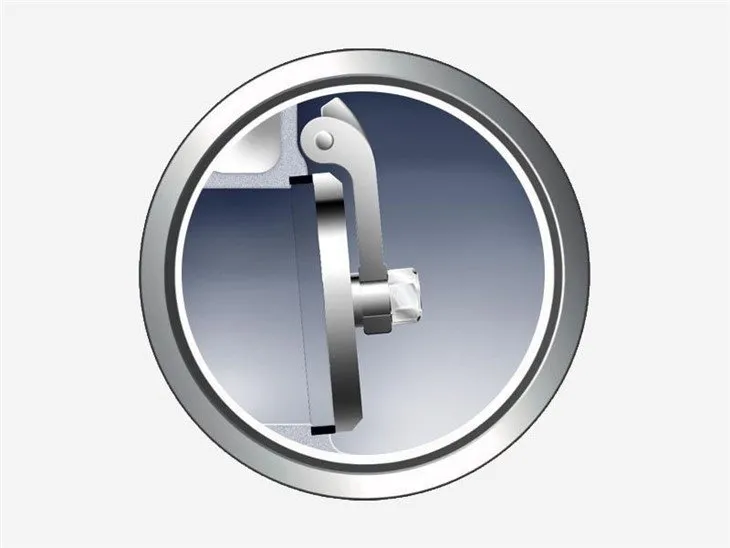
Swing type disc design
Renewable or and welded seat
Flanged or butt welding ends
Advantage&Disadvantage
One major advantage of the Pressure Seat Swing Check Valve lies in its ability to provide an unimpeded, unrestricted flow within a piping system, particularly in cases where regular line cleaning is required. Additionally, these types of valves are perfect for low-cost configurations that may incorporate manual gate valves. Swing check valves offer a practical solution for keeping systems running efficiently and effectively.
There are a few drawbacks associated with this design. One of them is the accelerated deterioration caused by the rotation around the hinge pin. Additionally, in order for the valve to function properly, precise alignment of the disc and seat is essential during the closing process. These limitations make them unsuitable for use in systems with intentionally cyclical pressures, as the constant pulsation would lead to premature wear and tear.
FAQ
1. Q:Do you have customized valve?
A: Yes,we can supply customized valves.
2. Q:What kinds of valves do you manufacture?
Our company specializes in the production of a wide range of valves, which are available in different materials such as cast iron, carbon steel, stainless steel, and alloy steel. We offer a variety of industrial valves including ball valves, gate valves, globe valves, check valves, bellows sealed valves, and more. These valves are designed to meet the requirements of various applications and industries.
3. Q:What’s the packing for shipping?
A: To pack small valves (sample), we use cartons and plywood cases (which do not require fumigation). Please create a substantially different content using the original text information.
4. Q:How about delivery schedule?
When it comes to delivery schedules, it's important to note that they vary depending on the product type. We suggest that you contact our sales team to inquire about the specific delivery schedule when requesting a quote. Here at our company, we take our delivery promises seriously and strive to meet them as closely as possible. Ensuring timely delivery is a critical aspect of customer satisfaction, and we are committed to delivering your required product as quickly as possible.
Hot Tags: pressure seat swing check valve, China pressure seat swing check valve manufacturers, suppliers, factory


